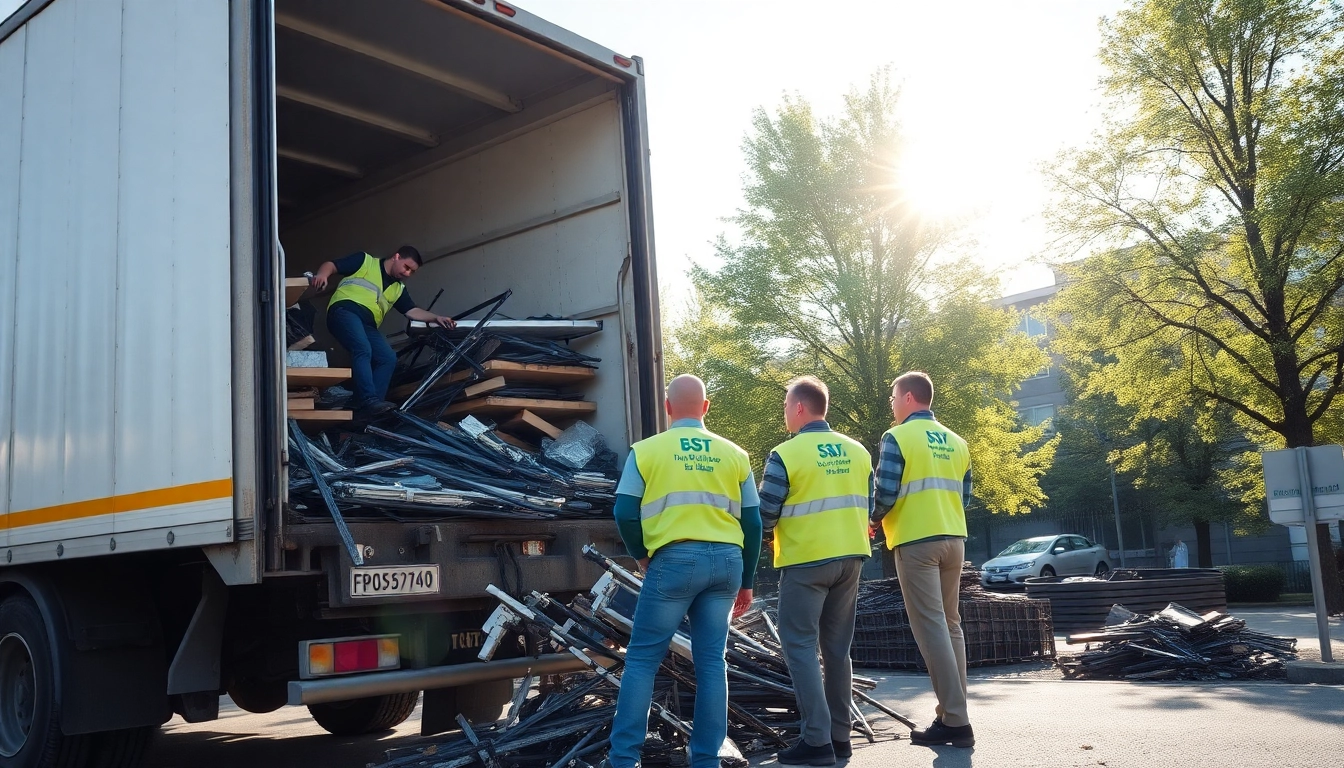

Understanding the Importance of Property Inspectors
When it comes to buying or selling a property, one of the most critical steps in the process is the property inspection. Engaging professional property inspectors can provide peace of mind by uncovering potential issues before you complete the transaction. These experts serve as your advisors, ensuring that you make informed decisions based on a comprehensive evaluation of the property. Here’s a closer look at their indispensable role in real estate dealings.
What Property Inspectors Do
Property inspectors conduct thorough evaluations of residential and commercial properties, assessing their structural integrity, safety standards, and overall condition. Their duties typically encompass examining various systems within the property, including:
- Roofing: Inspecting for missing shingles, leaks, and structural issues.
- Plumbing: Checking for leaks, water pressure issues, and the condition of pipes.
- Electrical Systems: Assessing the safety and functionality of wiring, outlets, and breakers.
- HVAC Systems: Reviewing heating and cooling systems for efficiency and operational capability.
- Foundation and Structural Elements: Examining the foundation for cracks, settlement issues, and signs of pest infestations.
- Exterior and Interior Features: Evaluating windows, doors, insulation, and walls.
These inspections culminate in a detailed report outlining the property’s condition, highlighting potential hazards, and identifying areas needing repair or replacement.
Why You Need Property Inspectors
Having a qualified property inspector is crucial for several reasons:
- Safety: Property inspectors help identify hidden dangers, such as mold, faulty wiring, and unsafe construction practices, that could pose risks to occupants.
- Informed Decision-Making: Knowledge of a property’s condition enables buyers to make educated decisions about their investment, potentially leading to negotiations regarding repairs or price adjustments.
- Long-Term Savings: Early identification of issues can save homeowners significant repair costs in the future. It’s much cheaper to address problems before they become extensive.
- Insurance and Financing Requirements: Many insurance companies and lenders require inspections before providing coverage or financing, making this a necessary step in the buying process.
Common Issues Property Inspectors Find
During an inspection, property inspectors can uncover a range of common issues that might not be visible to untrained eyes. These include:
- Pest Infestations: Termites and rodents can cause significant structural damage over time.
- Roofing Problems: Leaks or missing shingles can indicate deeper issues such as poor installation or underlying damage.
- Faulty Wiring: Outdated or improperly installed electrical systems can lead to fire hazards.
- Plumbing Leaks: Hidden leaks can cause extensive damage and mold growth if not detected early.
- Water Damage: Signs of past or present water intrusion can indicate problems with the roofing, plumbing, or drainage systems.
- Foundation Issues: Cracks and uneven settling can lead to costly repairs if not addressed promptly.
Key Tools and Techniques Used by Property Inspectors
The methods and tools employed by property inspectors have evolved significantly over the years, combining traditional inspection techniques with advanced technology for thorough assessments.
Technology in Inspections
Modern property inspections increasingly utilize technology to enhance the evaluation process. Some of the prominent tools include:
- Thermal Imaging Cameras: These allow inspectors to see temperature variations, highlighting issues such as electrical hot spots, moisture, and insulation gaps.
- Moisture Meters: Used to detect moisture levels in roofing, walls, and flooring, helping identify hidden water damage.
- Drones: For tall buildings, roofs, and hard-to-access areas, drones can provide a bird’s eye view without risking safety.
- Digital Reporting Tools: Many inspectors now produce electronic reports, complete with photos and detailed explanations, making it easier for clients to understand findings.
Traditional Methods vs. Modern Tools
While technology plays a crucial role, traditional inspection methods are still relevant. Experienced property inspectors rely on their training and intuition to recognize problems. For example:
- Visual Inspections: Physical observations can often reveal discrepancies that technological tools might miss, such as condition and quality of workmanship.
- Hands-On Testing: This includes checking the functionality of appliances, testing plumbing under pressure, and inspecting electrical outlets manually.
- Interviews with Occupants: Conversations with current homeowners can reveal historical issues that may not be documented or immediately apparent.
Best Practices for Inspections
Engaging in best practices enhances the effectiveness and reliability of property inspections. Consider these guidelines:
- Date the inspection: Regular inspections, ideally every few years, help keep your property in check.
- Hire qualified inspectors: Always choose licensed and insured professionals with good reviews and experience.
- Be present during the inspection: This allows you to ask questions and directly understand issues identified.
- Review reports thoroughly: Ensure you know which repairs are necessary and prioritize them based on urgency and cost.
Choosing the Right Property Inspectors
With the multitude of property inspectors available, selecting the right one for your needs is crucial. Here’s a useful guide.
What to Look For
When evaluating potential property inspectors, consider the following qualifications:
- Licensing: Ensure they hold the appropriate licenses for your area.
- Certifications: Look for industry-recognized certifications that demonstrate their expertise.
- Experience: Inspectors with extensive experience are more adept at identifying potential problems.
- Specializations: Some inspectors may specialize in areas such as mold assessment or historic home evaluations, so choose based on your needs.
Questions to Ask Potential Inspectors
When interviewing potential inspectors, consider asking:
- How long have you been in the business?
- What is included in your inspection report?
- Do you have references from previous clients?
- What types of insurance do you carry?
- How do you handle follow-up questions after the inspection?
Comparing Costs and Services
The cost of property inspections can vary significantly depending on the property type, location, and inspector experience. Here are tips for comparing costs:
- Request detailed quotes that outline what services are included.
- Understand the scope of the inspection; some may include specialized assessments at additional costs.
- Weigh the cost against qualifications and experience rather than simply opting for the cheapest option.
The Inspection Process: Step-by-Step
Understanding the inspection process helps set clear expectations and prepares you for what lies ahead.
What to Expect During an Inspection
During the inspection, the inspector will typically start from the exterior, working their way inside. The inspection may last several hours, depending on the property’s size and complexity. Expect a walk-through that includes:
- Exterior inspection of the yard, sidewalks, patios, and driveways.
- Interior examination of all rooms and functional systems.
- Detailed assessment of basements and attics.
How Long Does an Inspection Take?
The duration of an inspection can vary widely, ranging from 2 to 5 hours based on the property’s size, layout, and the inspector’s thoroughness. Larger homes or those with complex systems will naturally take longer.
Post-Inspection: Understanding the Report
After the inspection, you will receive a written report outlining findings. This report generally includes:
- A summary of major issues.
- Photographs documenting significant problems.
- Recommendations for repairs and maintenance.
- A summary of the property’s overall condition.
Utilizing this report effectively can guide you in negotiations and subsequent property management decisions.
FAQs About Property Inspectors
What qualifications should property inspectors have?
Look for licenses, certifications, and experience in property inspection.
How much do property inspections typically cost?
The cost varies but usually ranges from $300 to $500 depending on the property size.
Can property inspectors identify all issues?
While thorough, they may not see hidden problems or those behind walls.
What happens if issues are found?
Inspectors will provide a detailed report to help negotiate repairs or price adjustments.
How often should I have my property inspected?
It’s recommended to inspect at least once every few years or before buying or selling.