 By admin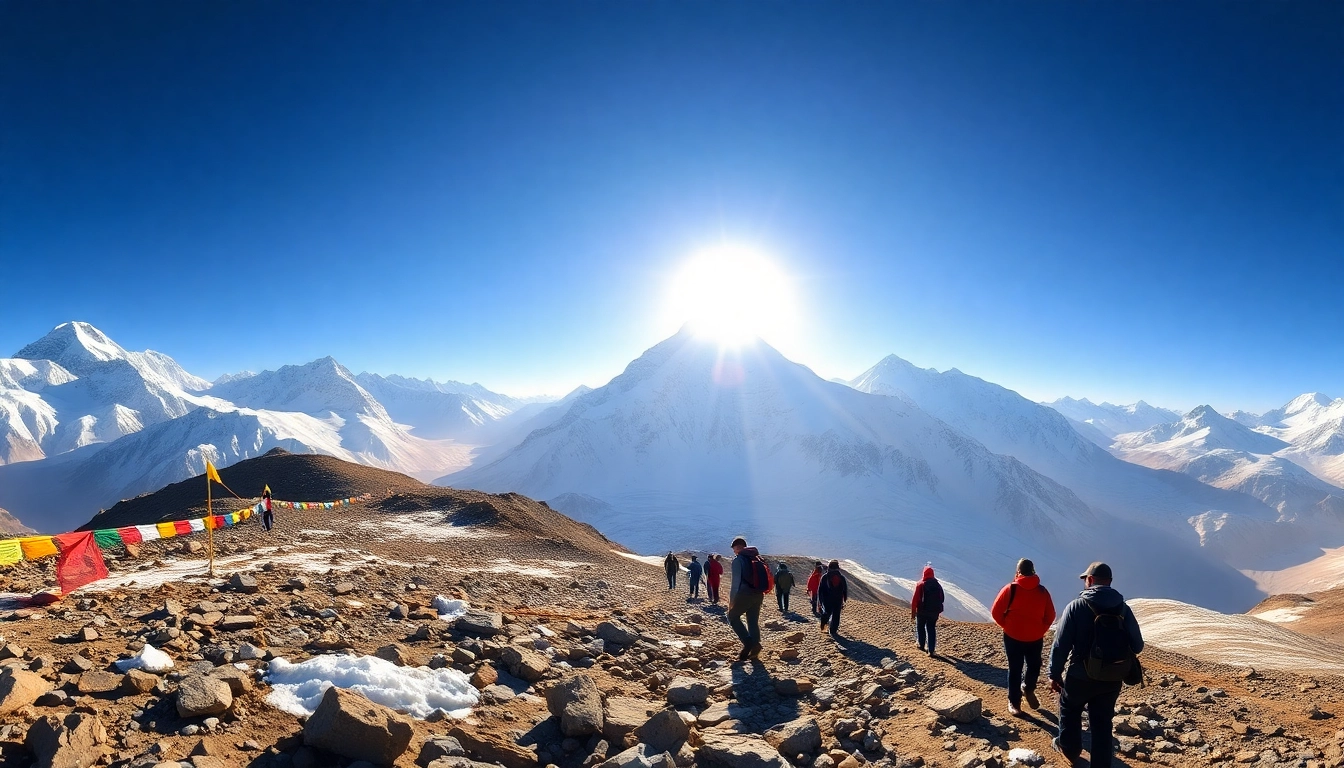
Overview of Everest Base Camp Trek
The Everest Base Camp trek is an iconic journey that captures the hearts of adventurers seeking the thrill of high-altitude exploration. This 14-day trek leads you through the breathtaking landscapes of the Khumbu region, home to legendary peaks, rich Sherpa culture, and mesmerizing natural beauty. Along the way, trekkers face the challenges of altitude and rugged terrain, all while witnessing some of the highest mountains on Earth, including the mighty Mount Everest. When exploring options, Everest base camp offers comprehensive insights and trekking packages for this unforgettable expedition.
What to Expect on Your Trek
The journey begins with an exhilarating flight from Kathmandu to Lukla, one of the world’s most thrilling airports. From there, trekkers will experience stunning vistas, vibrant Sherpa villages, and the unique wildlife of Sagarmatha National Park. Each day presents a blend of adventure and cultural encounters, with opportunities to learn about the traditions and lifestyles of the Sherpa people. The trek culminates at Everest Base Camp, where you’ll stand at the foot of the world’s highest peak, feeling a sense of accomplishment that few others can claim.
The Importance of Acclimatization
Acclimatization is crucial on the trek to Everest Base Camp, given the high altitudes encountered along the route. Proper acclimatization days in places like Namche Bazaar and Dingboche help your body adjust to decreasing oxygen levels, greatly reducing the risks of altitude sickness. It allows trekkers to enhance their endurance and enjoy the journey, making every step towards the base camp more manageable.
Key Highlights of the Journey
- Stunning panoramic views of the Himalayas, including iconic peaks like Lhotse and Nuptse
- Exploring Sherpa culture in Namche Bazaar and Tengboche
- Visiting the Tengboche Monastery, the largest in the Khumbu region
- Experiencing the unique flora and fauna of Sagarmatha National Park
- Reaching Everest Base Camp and the summit of Kala Patthar for breathtaking views
Planning Your Everest Base Camp Adventure
Planning is key to ensuring a successful and enjoyable trek. This involves understanding the trek’s structure, including the itinerary, accommodations, and necessary permits.
Best Time to Trek Everest Base Camp
The best times to trek to Everest Base Camp are during the spring (March to May) and autumn (late September to November). Spring welcomes blooming rhododendrons and clear skies, while autumn offers stable weather conditions ideal for trekking. Each season has its unique beauty and challenges, so carefully consider your schedule and preferences when planning your adventure.
Essential Packing List for EBC Trek
Packing appropriately is vital for comfort and safety on the Everest Base Camp trek. Here’s a list of essential items to include:
- Clothing: Layered clothing including thermal base layers, an insulated jacket, and a waterproof shell
- Footwear: Sturdy trekking boots with good ankle support
- Accessories: Warm hats, gloves, and sunglasses to protect against UV rays
- Health and safety: First aid kit, personal medications, and hydration packs
- Miscellaneous: Camera, power bank, and lightweight trekking poles
Choosing the Right Trekking Package
Not all trekking packages are created equal; consider factors like group size, guide expertise, and additional services. Ace the Himalaya, for instance, provides diverse packages that cater to different budgets and preferences, ensuring a tailored experience for every trekker. Whether you opt for a standard package or a luxury trek with premium accommodations, understanding the inclusions and exclusions will enhance your trekking experience.
Health and Safety Considerations
Your health and safety are paramount throughout the Everest Base Camp trek. Preparing adequately and being informed about potential risks can help ensure a successful adventure.
Understanding Altitude Sickness
Altitude sickness is a significant concern for trekkers as they ascend to higher elevations. Symptoms can range from mild headaches and nausea to severe conditions like High Altitude Pulmonary Edema (HAPE) or High Altitude Cerebral Edema (HACE). To prevent altitude sickness, it is essential to ascend gradually, heed your body’s signals, and prioritize hydration and nutrition.
First Aid and Emergency Protocols
Every trekking group should be equipped with a comprehensive first aid kit and a clear emergency plan. Guides are trained in first-aid procedures and emergency protocols to manage any incidents that may arise during the trek. Make sure to discuss emergency procedures with your guide before setting out.
Hydration and Nutrition on the Trail
Maintaining hydration is critical during the trek, particularly at high altitudes. Aim to drink at least 3-4 liters of water daily, supplemented with electrolytes when necessary. As for nutrition, a diet rich in carbohydrates and proteins will provide the energy needed for the strenuous daily hikes. Meals at the guesthouses typically include local staples such as dal bhat and noodle soups, which are both nutritious and filling.
Navigating Accommodations and Local Culture
Understanding local customs and etiquette can enhance your experience on the Everest Base Camp trek. Accommodations vary from basic teahouses to more comfortable lodgings, and being respectful of local traditions can create a more meaningful connection with the Sherpa community.
Guesthouse Etiquette During the Trek
When staying at guesthouses, it’s important to respect the rules of the establishment. Always ask before taking photographs, especially of the locals or their property, and be mindful of noise levels and communal spaces. Engaging politely with staff and fellow trekkers fosters a positive atmosphere.
Local Cuisine and Dietary Options
The culinary experience during the trek offers both adventure and comfort. Traditional Nepali meals often feature rice, lentils, and vegetable curries. Most guesthouses can accommodate various dietary preferences, including vegetarian and vegan options. It’s recommended to communicate any dietary restrictions in advance to ensure proper meal arrangements.
Engagement with Sherpa Culture
Meeting the Sherpa people and learning about their rich culture is an integral part of the Everest Base Camp trek. Take the opportunity to engage with locals, share stories, and participate in cultural practices, such as visiting monasteries or joining in traditional celebrations when possible.
Post-Trip Reflections and Future Treks
Completing the Everest Base Camp trek is a monumental achievement worthy of celebration. As you make your way back to Kathmandu, reflect on the experience and the challenges overcome.
Celebrating Your Accomplishment
Many trekkers choose to celebrate their journey with a group dinner in Kathmandu, sharing stories and experiences, bonding over the treks they faced together. It’s also common to receive a certificate of achievement, commemorating your trek to Everest Base Camp.
Exploring Additional Treks in Nepal
After the Everest Base Camp trek, consider exploring additional trekking opportunities in Nepal, such as the Annapurna Base Camp trek or the Langtang Circuit. Each trek offers its unique journey, scenery, and challenges, allowing you to continue your adventure in this stunning country.
Maintaining Connections with Fellow Trekkers
The friendships forged on the trail can last a lifetime. Many trekkers keep in touch through social media or trekking groups, sharing their future travel plans and adventures. Consider joining trekking community groups to stay connected and exchange insights with fellow adventurers.