 By admin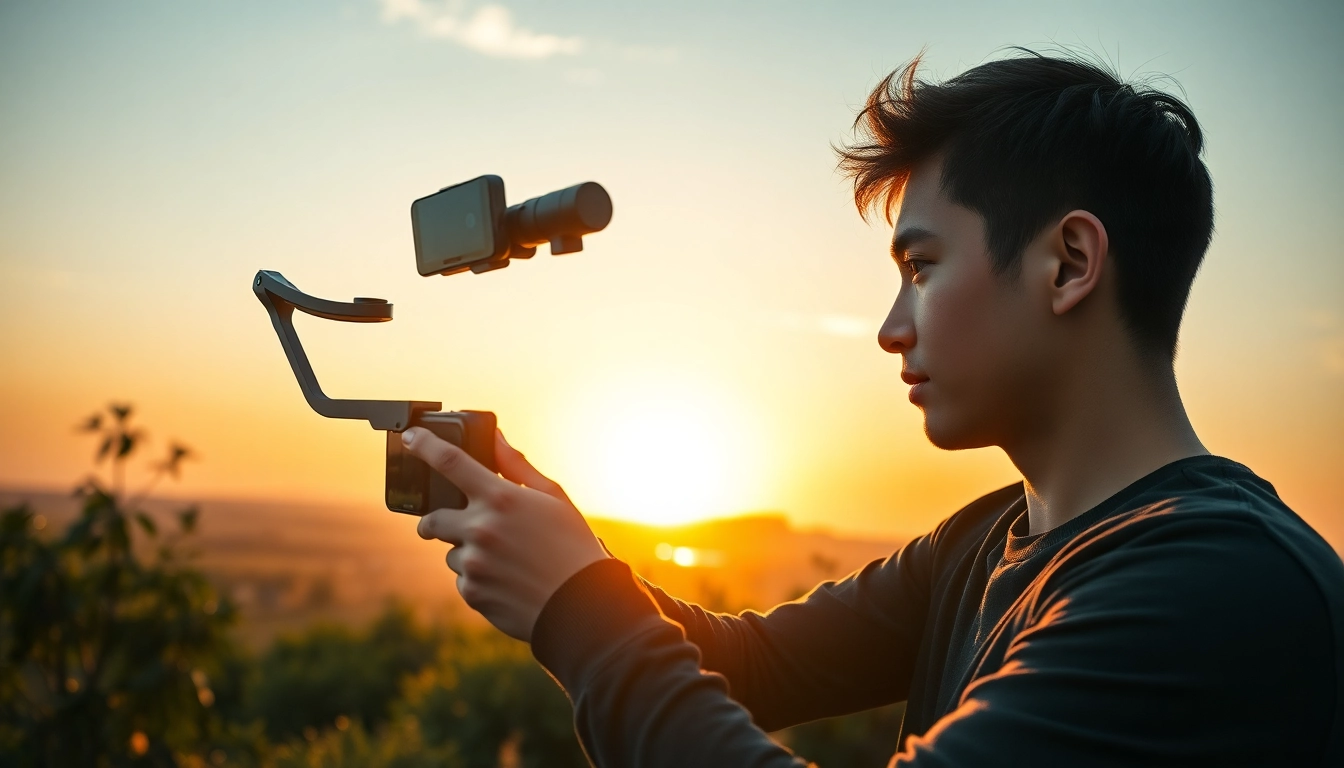
Understanding Phone Gimbals: Basics and Benefits
As the demand for high-quality video content continues to escalate, filmmakers and content creators are on the lookout for tools that can elevate their shooting experience. One such tool that has become indispensable is the phone gimbal. These versatile devices not only improve stability but also enhance the overall production quality of smartphone videos. When exploring options, phone gimbal provides comprehensive insights into how these stabilizers work and their myriad benefits.
What is a Phone Gimbal?
A phone gimbal is a handheld stabilizer designed to eliminate unwanted movements during filming, ensuring smooth, professional-looking footage. It operates using motorized technology that counteracts the natural hand movements of the user. Unlike traditional stabilizers, which may only rely on counterweight systems, gimbals employ three-axis stabilization, allowing for greater versatility and ease of use in various filming scenarios.
Key Advantages of Using a Phone Gimbal
- Smooth Footage: The primary advantage of a gimbal is its ability to produce smooth and steady videos, even in dynamic environments.
- Versatility: Gimbals can be used in a range of situations, from vlogging to cinematic storytelling, accommodating different shooting styles and subjects.
- Professional Features: Many gimbals come with additional features such as follow modes, time-lapse settings, and built-in controls for seamless operation.
- Enhanced Creativity: With a gimbal, filmmakers can experiment with unique angles, movements, and shots that would otherwise be challenging to capture.
How Phone Gimbals Enhance Video Quality
The quality of video content produced using a phone gimbal is significantly improved thanks to its stabilization capabilities. Smooth transitions and minimal shakes create a more engaging viewing experience. Moreover, by allowing users to focus on their creative process rather than stabilizing the camera manually, gimbals can lead to more artistic shots. This is particularly invaluable in fast-paced environments, such as action sports or on-the-go vlogging, where traditional stabilization methods fall short.
Types of Phone Gimbals: A Comprehensive Overview
Handheld vs. Smartphone-Compatible Gimbals
Phone gimbals generally fall into two main categories: handheld and smartphone-compatible models. Handheld gimbals are typically more versatile and can support a range of devices, including action cameras and DSLRs, making them ideal for professional filmmakers. Smartphone-compatible gimbals, on the other hand, are specifically designed for mobile devices, often featuring compact designs and user-friendly interfaces.
Motorized Stabilizers and Their Features
Motorized gimbals incorporate advanced electronics to achieve superior stabilization. They utilize sensors and motors to detect movement in real time and adjust accordingly, providing a level of stability that manual or mechanical gimbals cannot achieve. These features often include:
- 3-Axis Control: This allows for tilt, pan, and roll adjustments to maintain balance in every direction.
- Follow Mode: The gimbal can lock onto a subject and follow it smoothly, perfect for dynamic scenes.
- App Integration: Many gimbals offer smartphone apps to control settings, create time-lapses, or enable remote control.
Best Use Cases for Different Gimbal Types
Choosing the right gimbal depends largely on the intended use:
- Vlogging: Lightweight, compact gimbals with smartphone compatibility are ideal for vlogging, allowing quick setups and portability.
- Cinematic Filmmaking: Professional handheld gimbals work best for filmmakers seeking high-end stabilization and mounting capabilities.
- Action Sports: Gimbals designed to withstand rugged conditions and offer waterproof features are preferred in extreme sports.
Selecting the Right Phone Gimbal for Your Needs
Factors to Consider When Buying a Phone Gimbal
When choosing a phone gimbal, several factors should be considered to ensure you select a model that best fits your filming needs:
- Weight Capacity: Ensure that the gimbal can accommodate the weight of your smartphone, along with any additional accessories you may use.
- Battery Life: Look for gimbals with sufficient battery life to last through extended shooting sessions.
- Ease of Use: Consider how user-friendly the interface is, especially if you are new to gimbals.
- Budget: Determine your budget as gimbals can range from affordable options to high-end professional models.
Top Brands and Models to Watch in 2025
As the market for phone gimbals continues to evolve, several brands are leading the charge with innovative solutions:
- DJI: Known for its cutting-edge technology, DJI offers the Osmo Mobile series, perfect for smartphone stabilization.
- Hohem: Their iSteady line provides excellent features at competitive prices, making them great for both amateurs and professionals.
- Insta360: With unique AI tracking capabilities, Insta360 gimbals are popular for their innovative approach to stabilization.
Sample Use Cases to Guide Your Choice
To better understand which gimbal to choose, consider various use cases:
- Travel: A compact model like the Hohem iSteady X is perfect for travel vlogs, offering portability without sacrificing quality.
- Real Estate: A professional-grade gimbal like the DJI Ronin-S can provide smooth walkthroughs of properties, enhancing the visual appeal.
- Event Coverage: Gimbals with longer battery life, such as the Zhiyun Smooth 4, are ideal for covering extended events, ensuring consistent footage.
Best Practices for Using a Phone Gimbal Effectively
Stabilization Techniques for Smooth Footage
To maximize the benefits of using a phone gimbal, implement the following stabilization techniques:
- Correct Grip: Use a firm grip with both hands and maintain a loose stance to absorb any minor shocks.
- Balanced Setup: Ensure your phone is correctly mounted and balanced in the gimbal for optimal performance.
- Practice Movements: Familiarize yourself with the gimbal’s movements and practice smooth transitions before filming.
Common Mistakes to Avoid with Phone Gimbals
Avoid these common pitfalls when using a phone gimbal:
- Overloading: Avoid exceeding the weight limit of your gimbal as it can lead to motor strain and reduced stabilization.
- Neglecting Calibration: Regularly calibrate your gimbal according to the manufacturer’s instructions for optimal performance.
- Ignoring Battery Levels: Always check battery levels before filming to prevent interruptions during shoots.
Maintenance Tips for Longevity and Performance
To ensure your gimbal remains in excellent condition, follow these maintenance tips:
- Keep It Clean: Regularly wipe down the gimbal and keep the motors free from dust and debris.
- Store Properly: Store the gimbal in its case or a protective pouch to prevent damage during transport.
- Software Updates: Check for firmware updates periodically to take advantage of new features and enhancements.
The Future of Smartphone Filmmaking with Gimbals
Emerging Trends in Gimbal Technology
As technology evolves, we can expect several trends to shape the future of phone gimbals:
- AI Integration: Enhanced AI functionalities, such as automatic subject tracking, will make shooting easier and more intuitive.
- Improved Battery Technology: Longer-lasting batteries and faster recharge capabilities will empower filmmakers to shoot for extended periods.
- Advanced Materials: The use of lightweight and durable materials will enhance portability and resilience in gimbals.
Predictions for Phone Gimbal Innovations in 2025
Looking ahead, we can anticipate significant innovations in gimbal technology. Expect to see:
- Modular Designs: Gimbals that allow users to swap out parts for customization based on their shooting needs.
- Smartphone Cross-Compatibility: Gimbals capable of holding various devices seamlessly, from smartphones to compact cameras.
- Wireless Operation: Increased capabilities for remote control operation and integration with editing software will revolutionize how gimbals are used.
How to Stay Ahead as a Filmmaker with Gimbals
As a filmmaker, staying ahead of trends in gimbal technology is crucial. Engage with the community through forums, attend industry events, and follow reputable tech blogs for the latest updates. Experimenting with new models and keeping current with software developments will also enhance your filmmaking prowess.